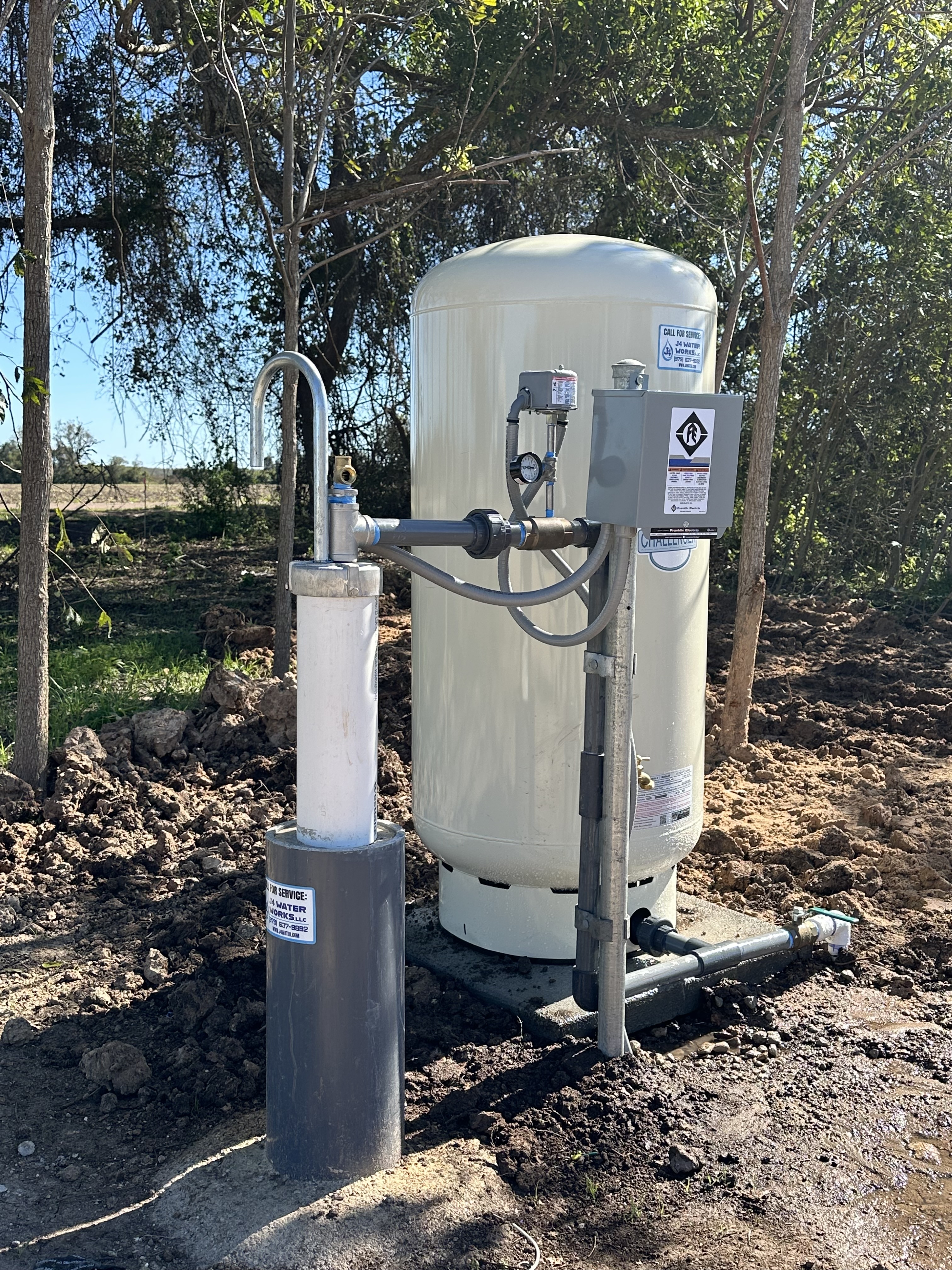
Clear water is not a complete water-quality report. If your home uses a private well, begin a treatment decision with a current laboratory test and a clear description of the concern.
Ask what should be tested
EPA recommends annual private-well testing for total coliform bacteria, nitrates, total dissolved solids and pH. Additional testing depends on the property, local conditions and the suspected problem. Ask the laboratory or local health department which tests are appropriate and follow the laboratory’s collection instructions.
Tell the person arranging the test whether you are checking untreated well water, treated household water or a specific fixture. Those are different questions. Record the collection point and whether any treatment equipment was operating.
Make the sample useful
Before collecting anything, get the correct bottles and instructions. Ask about collection timing, transport and the laboratory’s deadline for receiving the sample. Do not substitute a drinking glass or use an old bottle because it looks clean.
Keep the full report, including units, collection date and laboratory comments. A photograph of one highlighted result can leave out information needed to interpret it.
Connect the result to the decision
Ask what the findings mean, whether another sample is needed and which concern any proposed treatment would address. A product that changes taste or reduces visible staining is not automatically the right answer to every water-quality problem.
Describe recent changes: plumbing work, treatment service, flooding, an unusual odor or a change noticed at only one tap. These observations help frame the investigation without proving its cause.
Keep a baseline
Save each report with your well and service records. Comparing properly collected results over time is more useful than relying on memory. If a laboratory or health authority advises you not to drink the water, follow that advice and ask about an appropriate alternate supply.
What information should accompany the report?
Create a short cover note for the person reviewing the results. Include the property location, sample date, collection point, reason for testing and any recent system work. If you have treatment equipment, identify it and say whether the sample came from before or after treatment. Do not guess at missing details. Mark them unknown and ask the collector or laboratory.
Keep the report in its original form. A screenshot can omit the laboratory's comments, sample identification or the list of substances that were actually tested. A result for one substance does not answer a question about a different substance that was never measured.
What should you ask before buying treatment equipment?
Ask the provider to explain the particular concern the equipment addresses and how the recommendation connects to the test results. Request a written scope that identifies equipment, installation work, owner responsibilities and ongoing service. If the recommendation depends on another test, finish that step before treating the equipment choice as settled.
Discuss operating and maintenance costs as part of the purchase. Ask how you will know service is due, who performs it and which consumables or replacement parts are excluded. Keep those answers with the quote so the decision is based on the whole arrangement rather than the equipment price alone.
Can an old test help?
An older test can provide history, but it cannot establish today's conditions. Keep the old and new reports together and ask whether their sampling points and methods make comparison useful. A different sample location or change in equipment may matter when someone interprets the numbers.
Avoid turning a change in taste or staining into your own laboratory conclusion. Describe when the change began, where it appears and what changed around the same time. Those observations can help a qualified person decide what to investigate. They are not a substitute for the test.
Make testing part of the property file
Use a folder containing the well report, equipment list, laboratory reports, service invoices and treatment instructions. Add a reminder for the next testing conversation based on the laboratory or health authority's advice and the property's circumstances. Name each saved report with its date and sample point so another responsible person can find the right document.
For a rural property in Wharton or Matagorda County, the useful first step is the same: bring the complete report and a clear question. You do not need to diagnose the problem before asking for help. You do need to distinguish what was measured from what is suspected, and what is current from what belongs to the property's history.
J4 Water Works can discuss your water-system concern and the information needed before choosing equipment. Call (979) 320-4940 or request help at our contact page. Bring the complete test report, not only the number that caught your attention.
Continue with the property’s next question
For related background, read How Often Should You Test Your Well Water? and How to Read Your Texas Well Water Test Results. For project help, see our relevant J4 Water Works services. Your property’s actual records and qualified review control the decision.